


"...somebody wrote a pretty big check"
November 6 2012
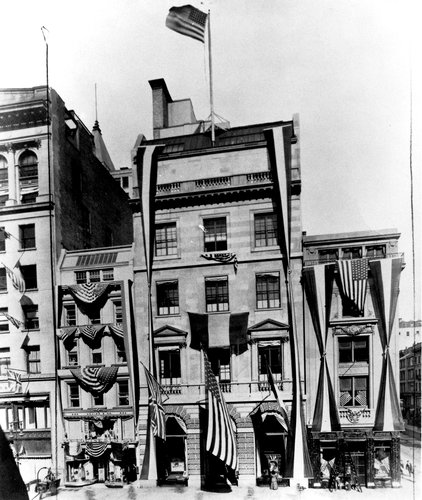
Picture: Getty Research Institute
The now defunct but once venerable Knoedler gallery has settled a case involving an alleged $17m fake Jackson Pollock. the details are confidential, but it's thought a lot of money was involved. However, as the New York Times asks, what will happen to the picture now?
Among the questions left unanswered is what will happen to the work itself: including whether it will become a possession of the defunct gallery, which is selling some of its remaining inventory at auction. The work, known as “Silver Pollock,” is one of a group of paintings handled by Knoedler that came from a Long Island dealer, Glafira Rosales, who is now a target of a federal investigation, according to court records.
Indeed, the problem of fakes being recycled, even after they've been outed, is apparently a growing one. The New York Times again:
For organizations like Mr. Grant’s [who manages the estate of Richard Diebenkorn] that are charged with protecting an artist’s legacy, the job of patrolling for fakes has become something like a game of Whac-A-Mole.
“You put it down, and then five, seven years later, poof!, and there it is again,” he said by phone from the foundation’s offices in California.
The resale of fakes is a persistent and growing problem without a good solution, say collectors, dealers, artist estates and law enforcement agencies. Although the Federal Bureau of Investigation can seize forgeries in criminal cases, these represent only a tiny portion of the counterfeit art that is circulating.
“They churn through the market,” James Wynne, an F.B.I. special agent who handles art forgery cases, said of fakes.
I say burn 'em.
For a good overview of the Knoedler story, see Michael Shnayerson's article in Vanity Fair, here. Last month the gallery's archive was bought by the Getty Institute.
