


How do we combat fakes?
February 2 2017
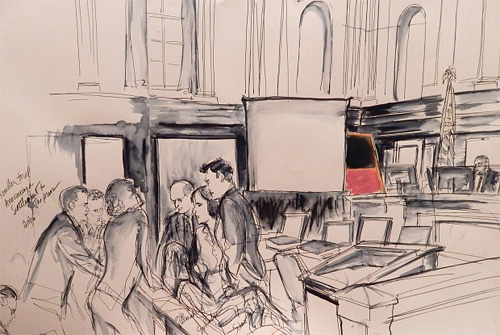
Picture: TAN
There's an interesting piece in The Art Newspaper about a prolonged discussion on fakes, mainly centred around the Knoedler scandal, at New York University symposium. The various speakers suggested all manner of ways to clamp down on the problem, mainly involving legal contracts and government regulation.
The solution to rooting out fakes, however, is really quite simple; we just need to focus on the basics. The first of these is provenance, which the art trade is collectively too relaxed about. All the Knoedler fakes came from a 'Mr X', whom even Knoedler did not know the identity of. They should have refused to sell them without being told, privately, who Mr X was. The fact is, he didn't exist. For older works, we must collectively no longer accept mysterious provenances such as 'European Private Collection' when there is no proveable, prior history. Provenance will always be the most vulnerable point in any forgery. If a painting's history doesn't stack up, walk away.
The next step is science. We know from the various lawsuits so far that the Knoedler fakes were not at all sophisticated. Basic scientific testing would have identified them. The Old Master fakes that have recently been unmasked are certainly much more sophisticated. But again, close scrutiny by analysts has raised concerns about them for some years now.
The greatest thing we need to guard against is wishful thinking. If something is too good to be true...
